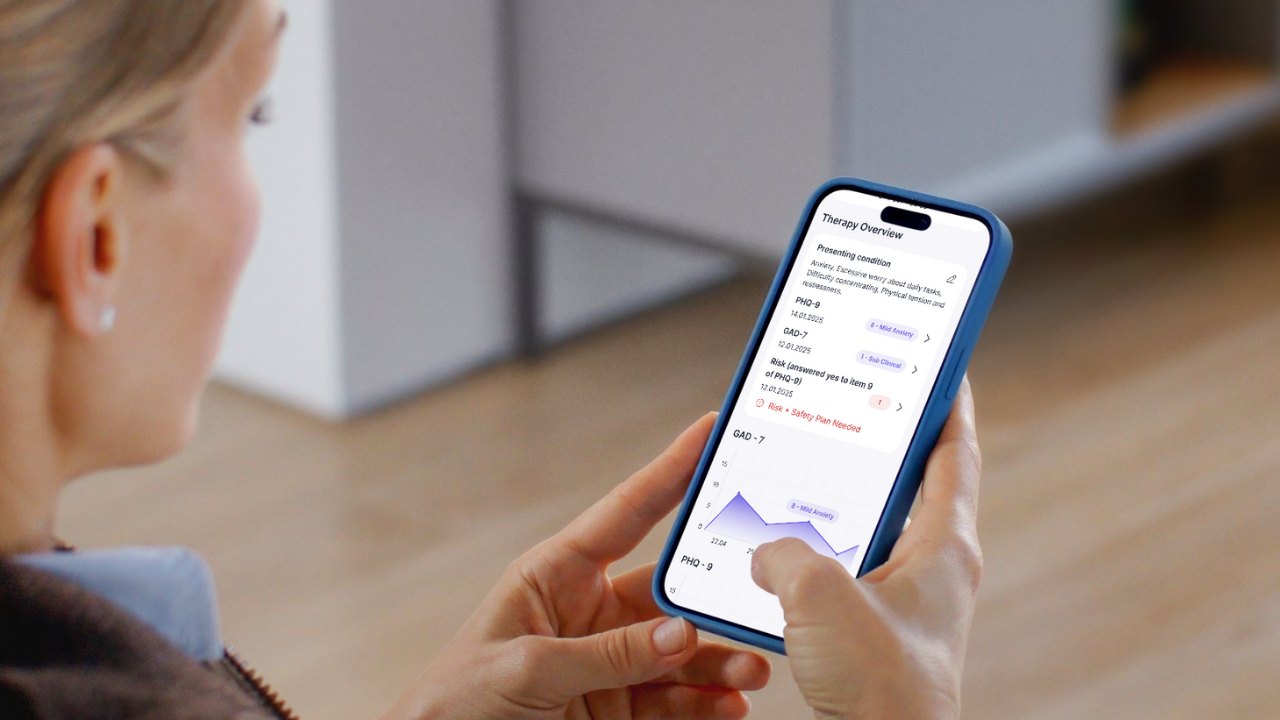


Digital nudges can boost homework completion without crossing ethical lines. Research shows 25-50% of CBT clients don’t complete between-session work, directly affecting therapy outcomes.
Well-designed nudges support engagement whilst respecting client autonomy through transparency and choice. The key is balancing effective support with client control over their therapeutic journey.
Research has shown that homework completion correlates with better results. Yet, half of clients struggle to follow through.
Table of Contents
Digital tools promise to bridge this gap. SMS reminders, progress trackers, and interactive platforms can boost engagement rates.
But the question is: how do we increase completion without crossing ethical lines?
No therapist wants to become a digital nag or undermine the therapeutic relationship they’ve worked hard to build.
The stakes couldn’t be higher.
Get this wrong, and we risk damaging therapeutic trust. Clients might feel surveilled rather than supported.
But get it right, and we can help more clients achieve their goals whilst respecting their autonomy.
This isn’t about choosing between effectiveness and ethics. It’s about finding the sweet spot where digital support enhances rather than replaces the human connection at therapy’s heart.
The evidence shows it’s possible, but only when we design with intention.
Why Engagement Fails
The behavioural science behind non-completion
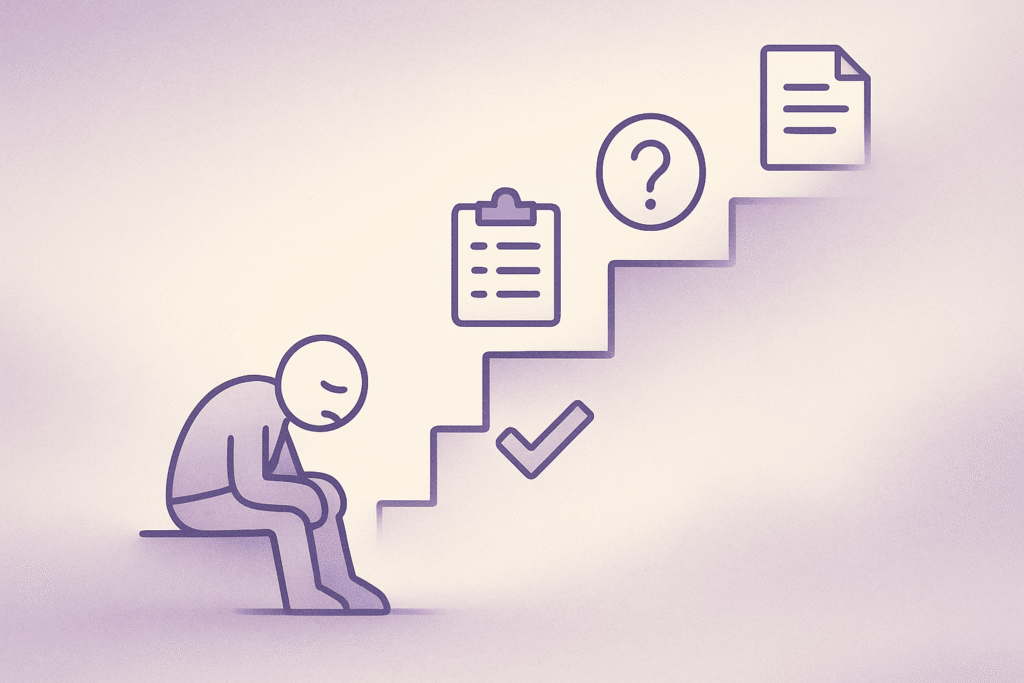
Decision fatigue hits clients hard. After making hundreds of choices each day, their mental energy runs low. This makes starting therapy homework feel overwhelming, even when they want to do it 1.
Friction points create barriers everywhere. Paper worksheets disappear under the mail. PDFs vanish in crowded inboxes. Clients forget what they’re meant to do by Thursday. These small obstacles add up to big drop-offs in homework completion.
Common patterns show motivation peaks during sessions, then crashes by evening. Clients leave feeling inspired but struggle to maintain that energy alone. The gap between intention and action widens with each passing day.
What therapists report
“They mean to do it, but life gets in the way” is the most common remark.
Without support between sessions, good intentions fade quickly 2.
Task difficulty compounds the problem. When instructions feel unclear or exercises seem too challenging, clients avoid starting. They’d rather skip homework than do it wrong. This protective response makes sense but limits progress.
What Makes a Nudge Ethical
Core principles from behavioural science
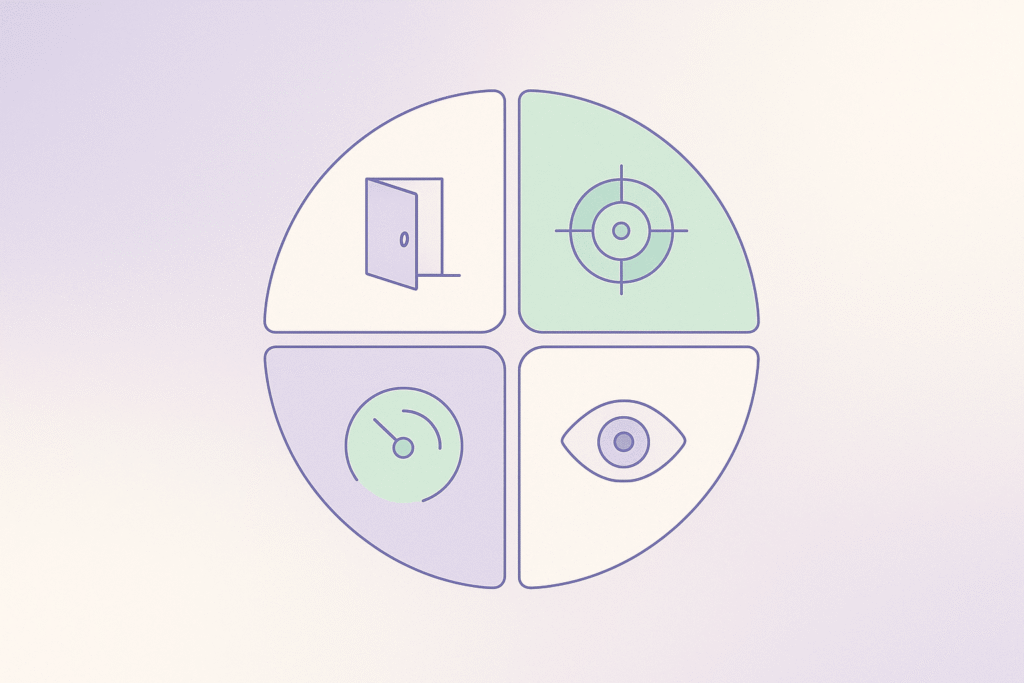
Ethical nudges rest on four foundations:
- First, they respect autonomy: clients can always opt out 3.
- Second, they align with client goals, not service convenience.
- Third, they’re transparent about what’s happening and why.
- Fourth, they monitor effects and adjust the approach.
These principles matter because nudges shape behaviour.
When designed well, they support positive change.
When done poorly, they manipulate.
The difference lies in whose interests come first, always the client’s.
SAMHSA’s trauma-informed principles
SAMHSA emphasises empowerment, voice, and choice as foundations of trauma-informed care 4. Though they don’t detail digital tool guidelines, their principles translate clearly. Clients need control over engagement levels. They deserve clear communication about data use. Most importantly, we must respect their pacing and consent.
Digital tools should foster belief in clients’ ability to recover. This means giving them significant say in how they engage with reminders and tasks. It’s about partnership, not prescription.
Case example: supportive vs coercive reminders
The difference between support and coercion often comes down to language and choice. A supportive reminder might say:
“Your CBT worksheet is ready when you are. Tap here to start or adjust reminder times.” It’s warm, flexible, and client-led.
A coercive reminder crosses the line:
“You haven’t completed your homework, your therapist will be notified.” This creates pressure and removes autonomy. It shifts from helping to pushing.
The key differences? Tone respects the client’s situation. Timing works around their life. And choice remains central, they control when, how, and if they engage 5.
Digital reminder strategies with proven results
Automated SMS reminders show promise when paired with therapist support. In the Flutura platform, we are taking this approach, combining text prompts with therapeutic exercises to help clients remember homework tasks 6. But reminders alone aren’t enough. They work best when therapists explain task rationale and review progress together.
We pair reminders with exercise tracking and communication tools. Clients get convenient access to assignments whilst therapists monitor progress in real-time. This interactive approach boosts motivation and organisation: two key factors in homework completion.
Timing matters enormously. Reminders sent when clients are most receptive see better results. Some platforms let clients choose their preferred reminder times. This personalised approach respects autonomy whilst improving engagement. Progress tracking adds another layer, celebrating small wins keeps clients motivated without pressure.
Gamification that respects boundaries
Finch offers a gentle example of therapeutic gamification. Users nurture a virtual bird by completing self-care tasks. The metaphor encourages engagement without medicalising the experience or creating app dependency 7. It’s self-care through nurturing, not competition.
Happify takes an evidence-based approach. The app uses gratitude exercises and mindfulness tasks rooted in positive psychology. Clinical trials show improvements in depression and anxiety. Small rewards and progress tracking motivate users whilst keeping focus on therapeutic techniques 7.
SuperBetter frames resilience-building as quests. These small, achievable challenges use behavioural activation strategies familiar to CBT therapists. Badges reward progress, but the goal remains mental wellness, not game mastery 8. The app supports therapy goals without trivialising the work.
Configurable systems that protect autonomy
Best practice starts with opt-out defaults. Research shows more clients engage when automatically enrolled but given easy exit options 9. One study found therapy participation increased with opt-out systems. But this only works with crystal-clear opt-out instructions.
Client control extends to every feature. Toggle switches let users adjust reminder frequency, timing, and content. Changes should take one click, no guilt, no barriers 10. This respects decision fatigue whilst maintaining engagement.
Transparency builds trust. Tell clients exactly how features work and why they help. Explain data use in plain language. Let them choose what’s shared and with whom 11. When clients understand and control their tools, engagement becomes voluntary and sustained.
Nudging vs Manipulating: What’s the Difference?
Some mental health professionals might worry that digital nudges are just dressed-up coercion. “Aren’t we manipulating clients by using behavioural tricks?” they might ask. This concern comes from a genuine place, protecting the therapeutic relationship and respecting client autonomy.
Here’s why ethical nudges are different: they enhance choice rather than remove it. Clients control every aspect: timing, frequency, and even whether to receive them at all. Unlike coercion, which forces action, ethical nudges make the helpful choice easier.
The evidence backs this up. Studies show that autonomy-respecting nudges actually strengthen the therapeutic alliance whilst improving homework completion rates. When clients feel supported rather than pressured, they engage more fully with their therapy work.
Key Takeaways
- Nudges are tools that amplify your therapeutic approach, not replace it
- Intent matters: design for empowerment, not compliance
- Autonomy-respecting systems build trust whilst improving outcomes
- Ethical design becomes a competitive advantage, not a constraint
- Digital tools work best as therapy adjuncts, not standalone solutions
Actionable Next Steps
- Audit your current tools: do clients control timing and frequency?
Review your digital systems. Can clients easily adjust when and how often they receive reminders? If not, it’s time to find tools that put control in their hands. - Use validation-led language: “Well done for opening this” not “You’re late”
Words matter. Frame nudges positively to encourage rather than shame. Celebrate small steps, even opening a reminder shows engagement. - Introduce one nudge this month: start with opt-out homework reminders
Begin simply. Set up homework reminders that clients receive automatically but can easily turn off. This respects their autonomy whilst boosting completion rates 12. - Track both completion rates and client feedback on the experience
Numbers tell half the story. Ask clients how the nudges feel, supportive or pushy? Adjust based on their responses to maintain trust. - Create clear consent processes that explain benefits and boundaries
Be upfront about how nudges work and why you’re using them. Give clients a simple form that explains the benefits and lets them choose their preferences 10.
Forward Look
Digital nudges aren’t about tricking clients into compliance. They’re about removing barriers to the change your clients already want. When you design with respect for autonomy, you create tools that support rather than pressure.
The future holds AI-powered nudges that learn each client’s preferences whilst maintaining clear boundaries. Imagine reminders that know when your client feels most motivated, or homework systems that adapt to their learning style. But the core principle remains: empower, don’t coerce.
Your role as a therapist is to champion tools that respect client choice whilst supporting real change. Start small, listen to feedback, and remember, the best nudge is the one your client thanks you for.
References
- What research exists on decision fatigue and friction points that prevent clients from completing therapy homework? – https://pmc.ncbi.nlm.nih.gov/articles/PMC6119549/[↑]
- What percentage of CBT clients fail to complete between-session homework and what are the most common reasons cited in clinical studies? – https://centaur.reading.ac.uk/96106/1/CBT%20youth.pdf[↑]
- What are the key principles of ethical nudge design according to behavioural science research and how do they apply to mental health interventions? – https://www.behavioraleconomics.com/resources/on-your-best-behavior/[↑]
- What does SAMHSA recommend regarding autonomy and consent in trauma-informed digital health tools? – https://library.samhsa.gov/sites/default/files/pep23-06-05-005.pdf[↑]
- How do therapists define the difference between supportive reminders and coercive pressure in client engagement tools? – https://www.tandfonline.com/doi/full/10.1080/15265161.2023.2232754[↑]
- What specific digital reminder strategies have shown measurable improvements in therapy homework completion rates? – https://pmc.ncbi.nlm.nih.gov/articles/PMC11671782/[↑]
- What are documented examples of gamification in mental health apps that maintain therapeutic boundaries? – https://kevinmd.com/2023/09/harnessing-the-power-of-gamification-in-mental-health-apps.html[↑][↑]
- What are documented examples of gamification in mental health apps that maintain therapeutic boundaries? – https://www.smartico.ai/blog-post/gamification-mental-wellness-apps[↑]
- What are the evidence-based best practices for opt-in/opt-out systems in digital mental health tools? – https://pmc.ncbi.nlm.nih.gov/articles/PMC11234303/[↑]
- What are the evidence-based best practices for opt-in/opt-out systems in digital mental health tools? – https://unmind.com/blog/mental-health-apps-are-under-scrutiny[↑][↑]
- What are the evidence-based best practices for opt-in/opt-out systems in digital mental health tools? – https://secureprivacy.ai/blog/mental-health-app-data-privacy-hipaa-gdpr-compliance[↑]
- What specific digital reminder strategies have shown measurable improvements in therapy homework completion rates? – https://pmc.ncbi.nlm.nih.gov/articles/PMC5481663/[↑]