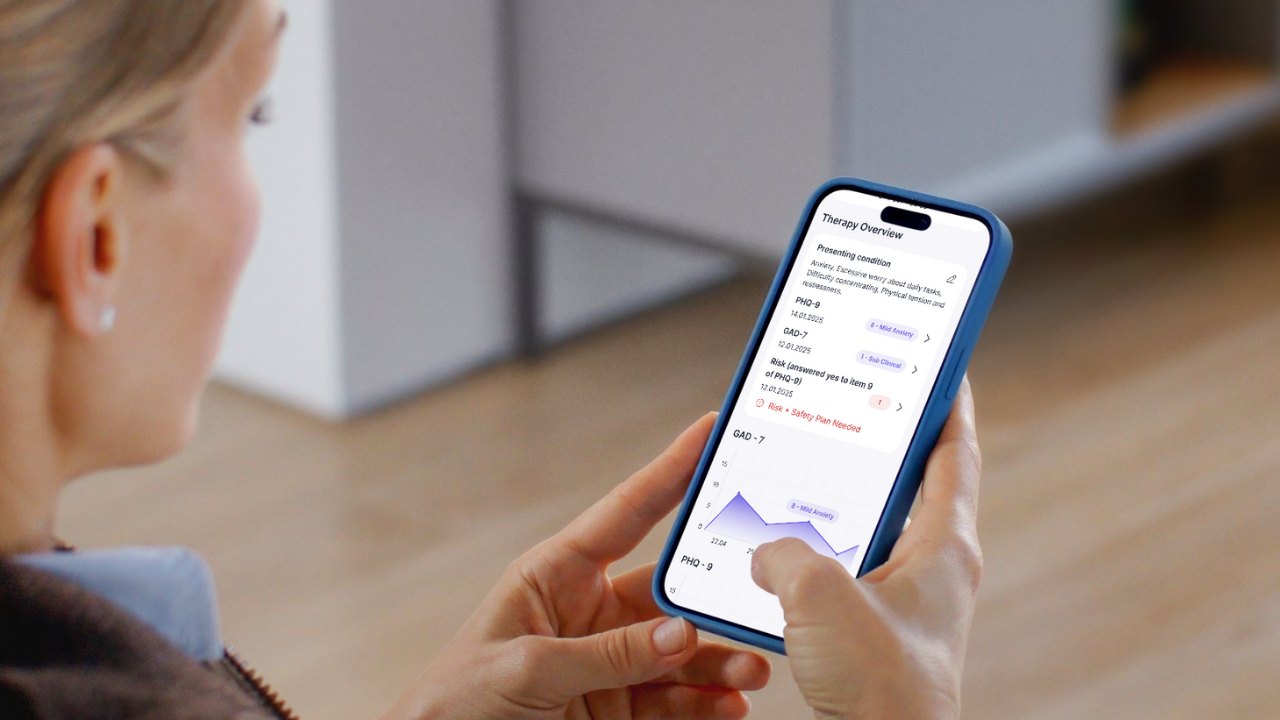


Technology in therapy sparks a vital question: Will digital tools weaken the human connection at the heart of healing? Evidence shows the opposite can be true. Research confirms that digital therapy maintains therapeutic alliance quality equal to face-to-face sessions 1.
When designed ethically, technology enhances trust through consistency, transparency, and client choice. This article examines how therapists can assess and utilise digital tools that enhance, rather than compromise, therapeutic relationships.
Post-pandemic, 40% of therapy now happens digitally. Yet many therapists worry about losing the human connection at the heart of their work.
Table of Contents
The tension is real: we want convenience and efficiency, but not at the cost of authentic relationships with clients.
Therapists increasingly fear “clinical coldness” creeping in through screens.
- Will automated reminders feel impersonal?
- Does sharing dashboards reduce therapy to data points?
These concerns matter because the therapeutic alliance (the trusting bond between therapist and client) predicts treatment success more than any other factor.
But here’s the opportunity: what if thoughtfully designed technology could actually deepen trust rather than erode it?
Research suggests it can, when we understand how connection really works.
The question isn’t whether to use technology. It’s how to use it in ways that honour the therapeutic relationship.
Evidence from telehealth studies shows the alliance can thrive digitally 1. The key lies in choosing tools that support, rather than replace, clinical judgment and human warmth.
Rethinking Connection: The Alliance Isn’t Just In-Person

Research on digital therapeutic alliance
Studies consistently show the therapeutic alliance remains strong when therapy moves online. Meta-analyses reveal no significant difference in alliance quality between digital and face-to-face therapy 2. Clients rate their connection with therapists equally high in both settings.
Teletherapy produces equivalent symptom reduction and client satisfaction. Large-scale reviews demonstrate that digital therapy leads to meaningful clinical improvements, matching traditional in-person outcomes 3. The therapeutic relationship adapts well to digital formats.
Some clients feel more comfortable opening up from their own homes. Being in familiar surroundings can reduce anxiety and help people share more freely 3. This comfort can actually strengthen the working alliance.
What builds connection beyond physical presence
Consistency and reliability matter more than proximity. When therapists respond predictably and maintain regular contact, clients feel secure. Digital tools that support consistent check-ins and reliable scheduling reinforce this stability.
Empathy translates through tone, timing, and responsiveness.
A therapist’s warmth comes through in their word choice, how quickly they respond to concerns, and their attentiveness to client needs. These qualities aren’t limited to face-to-face interaction.
Co-regulation happens through predictable, trauma-aware interactions. Digital platforms using trauma-informed design principles help clients feel safe 4. Clear navigation, gentle language, and user control support emotional regulation.
Client control and choice strengthen engagement regardless of medium. Research shows that when clients choose how they engage with therapy tools, they’re more motivated and involved 5. This autonomy builds trust whether therapy happens in-person or online.
Ethical Design: Tech That Protects Trust
Features that reinforce collaboration
Transparency features can transform how clients experience therapy.
When clients see their progress through shared dashboards, they gain confidence and feel more motivated to continue. Research shows visual progress tracking encourages clients to work harder towards their goals.
Giving clients access to their session notes promotes openness and trust. Clients report feeling more respected and included when they can review what’s been discussed. This transparency helps them feel like active partners rather than passive recipients of care.
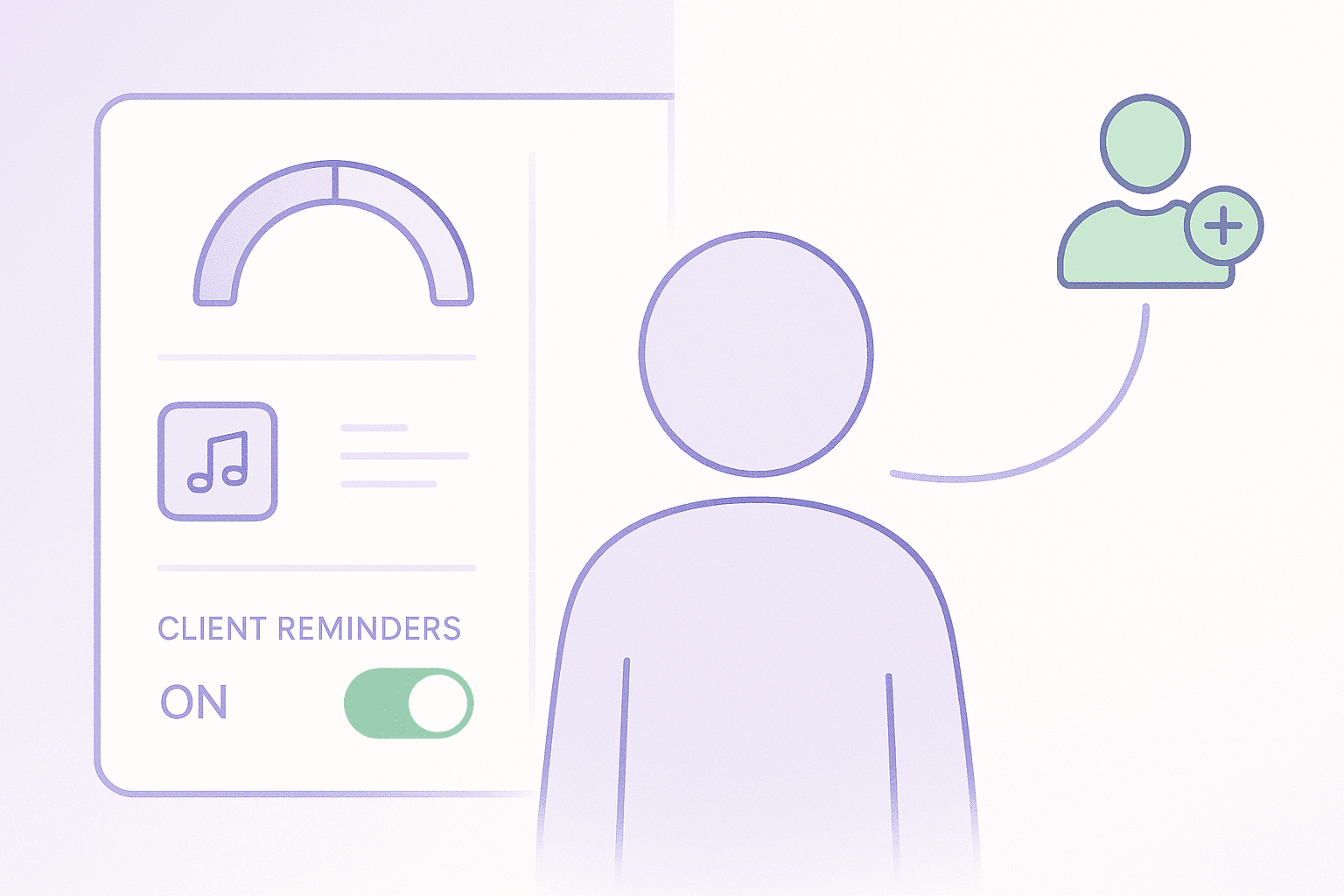
Client-controlled reminders respect autonomy whilst supporting engagement. When clients choose when and how they receive prompts, they maintain control over their therapeutic journey. Progress tracking creates opportunities for meaningful conversations between sessions, reinforcing hope and collaboration.
Flutura’s approach

Flutura keeps therapists in control of automation, preserving clinical judgment at every step. Rather than replacing therapeutic decisions, the platform amplifies your expertise by handling repetitive tasks whilst you focus on client care.
Every feature is opt-in, giving clients choice about their level of digital engagement. Some prefer minimal tech involvement; others embrace comprehensive tracking. This flexibility respects individual preferences and trauma histories.
There’s no mysterious AI making decisions behind closed doors. Everything Flutura does is transparent and explainable. You can show clients exactly how their data is used and why specific recommendations appear.
The platform uses language designed with trauma-informed principles. Clear, gentle wording reduces anxiety and cognitive load. Error messages avoid blame. Instructions empower rather than overwhelm.
When Tech Does Harm
Acknowledge real risks
Technology can damage the therapeutic relationship when poorly implemented.
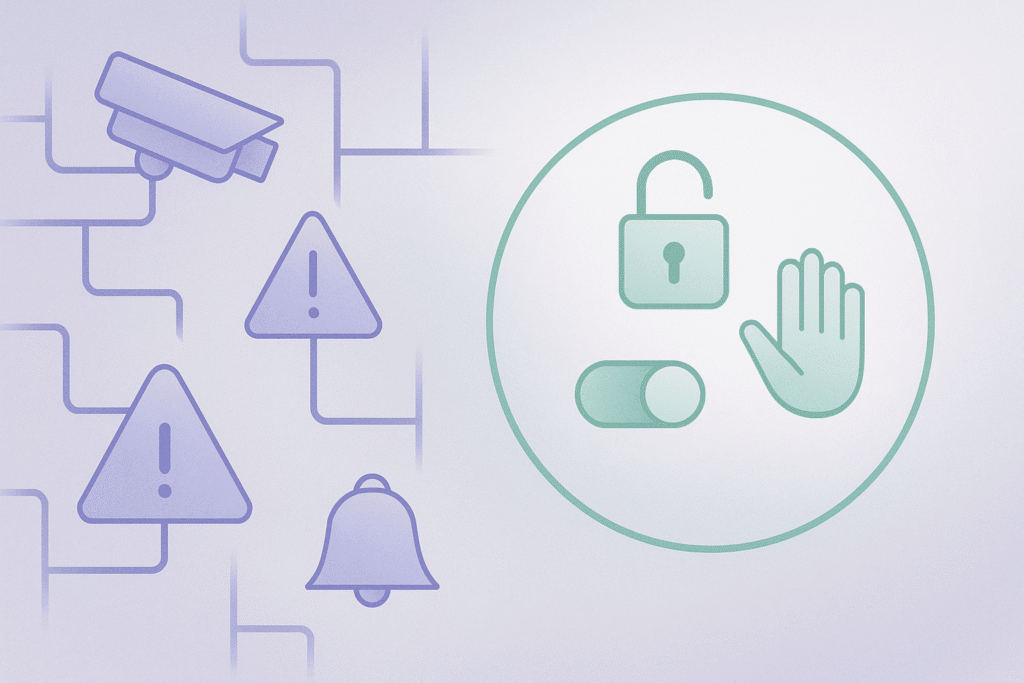
Over-surveillance features trigger hypervigilance in trauma survivors who already struggle with feeling watched or judged.
Automated nudges sent without context feel cold and impersonal, especially during vulnerable moments.
Tech overload adds cognitive burden to clients already managing stress and symptoms.
Most concerning are power imbalances created when systems make decisions without transparency, clients feel controlled rather than supported.
Safeguarding autonomy and predictability
Every digital touchpoint requires explicit client consent.
Therapists need override options and human fallbacks for all automated features.
The risk of replacing therapeutic skills with algorithmic responses is real.
When tech makes decisions clients don’t understand, trust erodes quickly.
Predictability matters deeply in trauma-informed care, yet poorly designed systems create uncertainty through unexpected notifications or changes.
What This Means for Therapists
You don’t need to transform your entire practice overnight. The evidence shows that thoughtful technology use can strengthen your therapeutic relationships, not weaken them.
Start with low-risk tools that reduce admin burden. Session note automation and scheduling systems free up time for what matters, your clients. When you spend less time on paperwork, you have more energy for the clinical work.
Look for platforms built by clinicians who understand the alliance. These tools respect the nuances of therapy. They know that trust takes time to build and seconds to break.
Client-facing transparency and choice are non-negotiables.
Your clients should know what data you’re collecting and why. They should control when and how they engage with digital tools. This respects their autonomy and builds trust. 6
Technology should amplify your clinical skills, not replace them. The best digital tools enhance your expertise. They help you spot patterns, track progress, and stay connected between sessions. But the clinical judgment remains yours. 7
Actionable Next Steps
- Audit your current tools: Which support connection? Which might undermine it?
Take stock of every digital tool you use. Does your scheduling system send cold, automated messages? Or does it allow personalised reminders? Review each platform through your clients’ eyes. - Involve clients in decisions: Ask what would help them feel more engaged between sessions
Start your next session with a simple question. Would homework reminders help? Would they like to track their mood? Let them guide which tools you introduce. Their buy-in matters more than the tech itself. - Evaluate vendor ethics: Are they clinician-led? Do they prioritise transparency?
Before signing up for any platform, check who built it. Look for teams with clinical experience. Ask about data handling. Can clients see their own information? Can they opt out easily? These details reveal whether a company truly understands therapeutic relationships. - Trial incrementally: Start with scheduling or reminders before adding engagement features
Don’t overwhelm yourself or your clients. Begin with admin tools that save you time. Once comfortable, consider adding one client-facing feature. Monitor how it affects your sessions. Small steps prevent tech fatigue. - Document outcomes: Track whether digital tools improve attendance, homework completion, or recovery rates
Keep simple records of changes you notice. Are clients completing more exercises? Missing fewer sessions? These metrics help you decide what’s working. They also give you evidence to share with hesitant colleagues.
The therapeutic alliance adapts, it’s strengthened by clarity and respect, not just physical presence. Research shows that trust grows through consistent, predictable interactions and shared understanding. Whether you’re sitting across from a client or connecting through a screen, these fundamentals remain unchanged.
Technology becomes harmful when it replaces human judgment; helpful when it amplifies clinical expertise. The tools that succeed are those that know their place. They handle the repetitive tasks whilst leaving the nuanced, human work to you.
What aspects of your practice could benefit from thoughtful automation? Consider where you lose time to admin that could be spent with clients. Think about the moments when technology could support (not undermine) your therapeutic relationship.
References
- Therapeutic Alliance in Online and Face-to-face Psychological Treatment – https://mental.jmir.org/2022/5/e36775[↑][↑]
- Evidence on Digital Therapeutic Alliance – https://mental.jmir.org/2022/5/e36775[↑]
- Through the Lens: Telepsychotherapy and the Working Alliance – https://psychiatryonline.org/doi/10.1176/appi.focus.20220051[↑][↑]
- Trauma-informed content design: a comprehensive guide – https://uxcontent.com/a-guide-to-trauma-informed-content-design/[↑]
- Effectiveness of a Multimodal Digital Psychotherapy Platform for Adult Depression – https://mhealth.jmir.org/2019/1/e10948[↑]
- The Importance of Trust in the Therapist-Client Relationship – https://www.grandrisingbehavioralhealth.com/blog/the-importance-of-trust-in-the-therapist-client-relationship[↑]
- NBCC Ethical Principles for AI in Counseling – https://www.nbcc.org/assets/ethics/EthicalPrinciples_for_AI.pdf[↑]